UA
UA International Experience in Cognitive Interviewing: Training to Protect Children in Ukraine
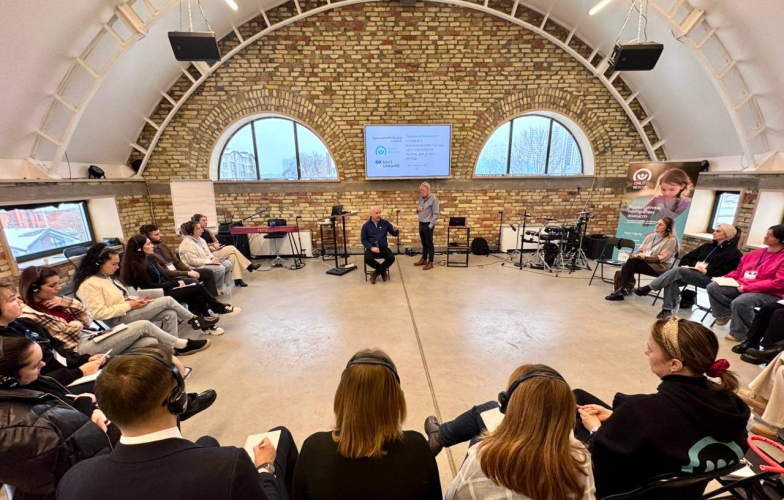
On January 22–23, a two-day training entitled “Cognitive Interviewing Techniques with a Trauma-Informed Approach in Working with Children and Adolescents” was held in Kyiv, organized by Child Rescue in partnership with Save Ukraine.
The training was conducted by international experts from the United Kingdom — Colin Carswell, MA, and Bernie Gravett, child interviewing specialists from Specialist Policing Consultancy.

Strengthening professional competencies in working with children
Over the course of two days, participants strengthened their professional competencies in working with children who may have experienced sexual and other forms of violence, abuse, or exploitation. The training focused on introducing cognitive interviewing methods, implementing international best practices, developing practical skills, and deepening understanding of the traumatic impact of violence on children.
The knowledge and tools gained will support more effective, ethical, and safe professional responses to the challenges faced in participants’ daily work.
Key topics of the training
The training focused on:
- cognitive interviewing and its importance in working with children;
- a trauma-informed approach and the prevention of re-traumatization;
- the structure of interviews based on the PEACE model;
- international standards and the NICHD protocol;
- practical preparation and conducting interviews;
- role-play exercises, interactive group work, and case analysis.
The training programme combined in-depth theory with intensive practical sessions, open discussions, and active exchange of experience among participants.
 Child Rescue
Press office
Interdisciplinary composition of participants
The training brought together professionals from social services, law enforcement agencies, and the prosecution service who work directly to protect the rights and safety of children. Participants included representatives of Child Rescue and Save Ukraine, child services of city and rural councils in Kyiv region, juvenile prevention units of the National Police, as well as district and regional prosecution offices.
This interdisciplinary group of participants facilitated the exchange of experience and the development of a shared, coordinated approach to safe and trauma-informed communication with children, guided by the best interests of the child.
Training outcomes
The two-day format enabled participants not only to gain theoretical knowledge but also to practise practical skills essential for professional, ethical, and sensitive interaction with children in complex and vulnerable situations.
We sincerely thank the trainers for their deep expertise and practical support, and the participants for their engagement, openness, and shared commitment to implementing safe, ethical, and trauma-informed approaches in work with children.